Friday, May 2, 2014

Cienfuegos

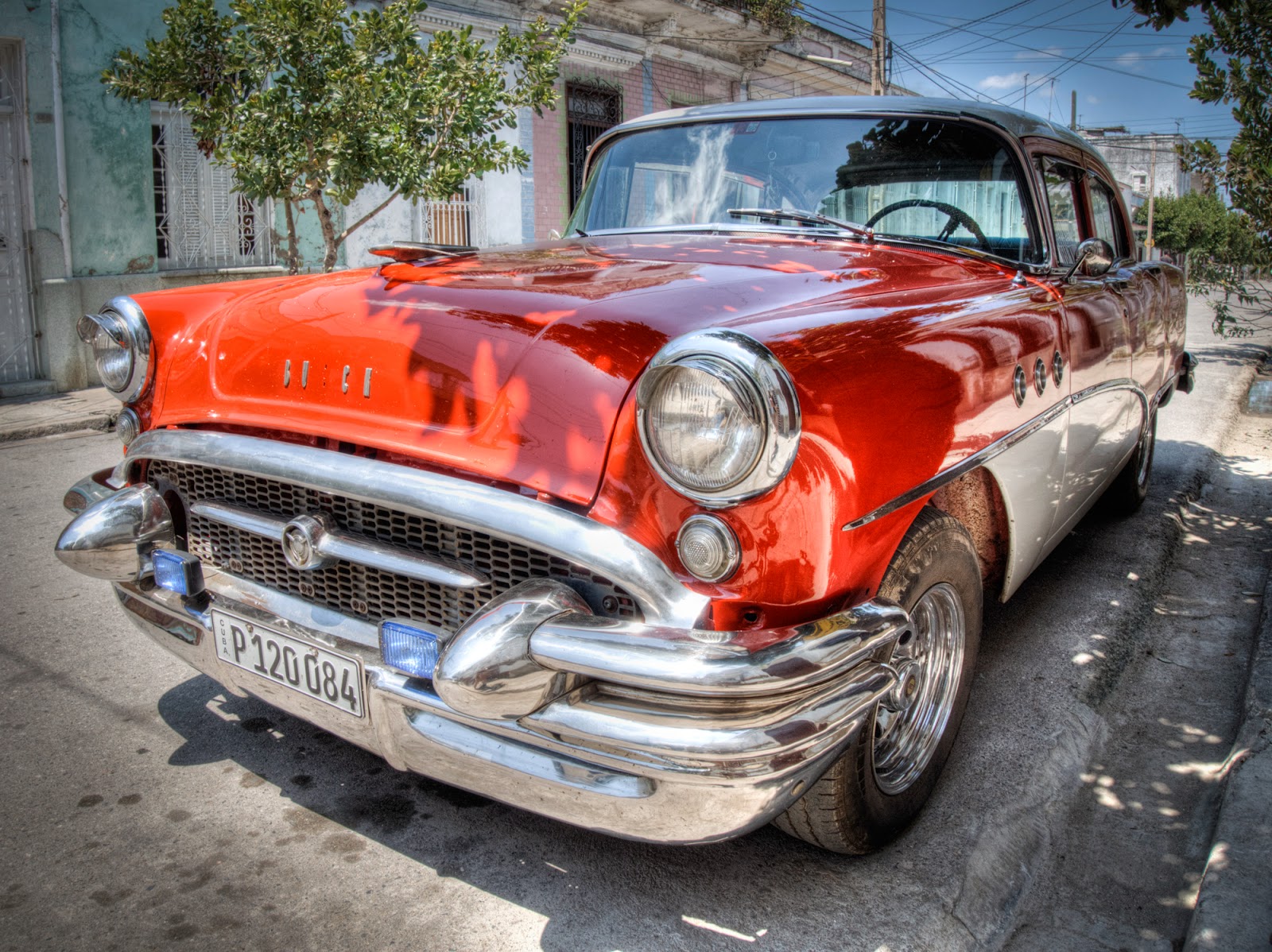
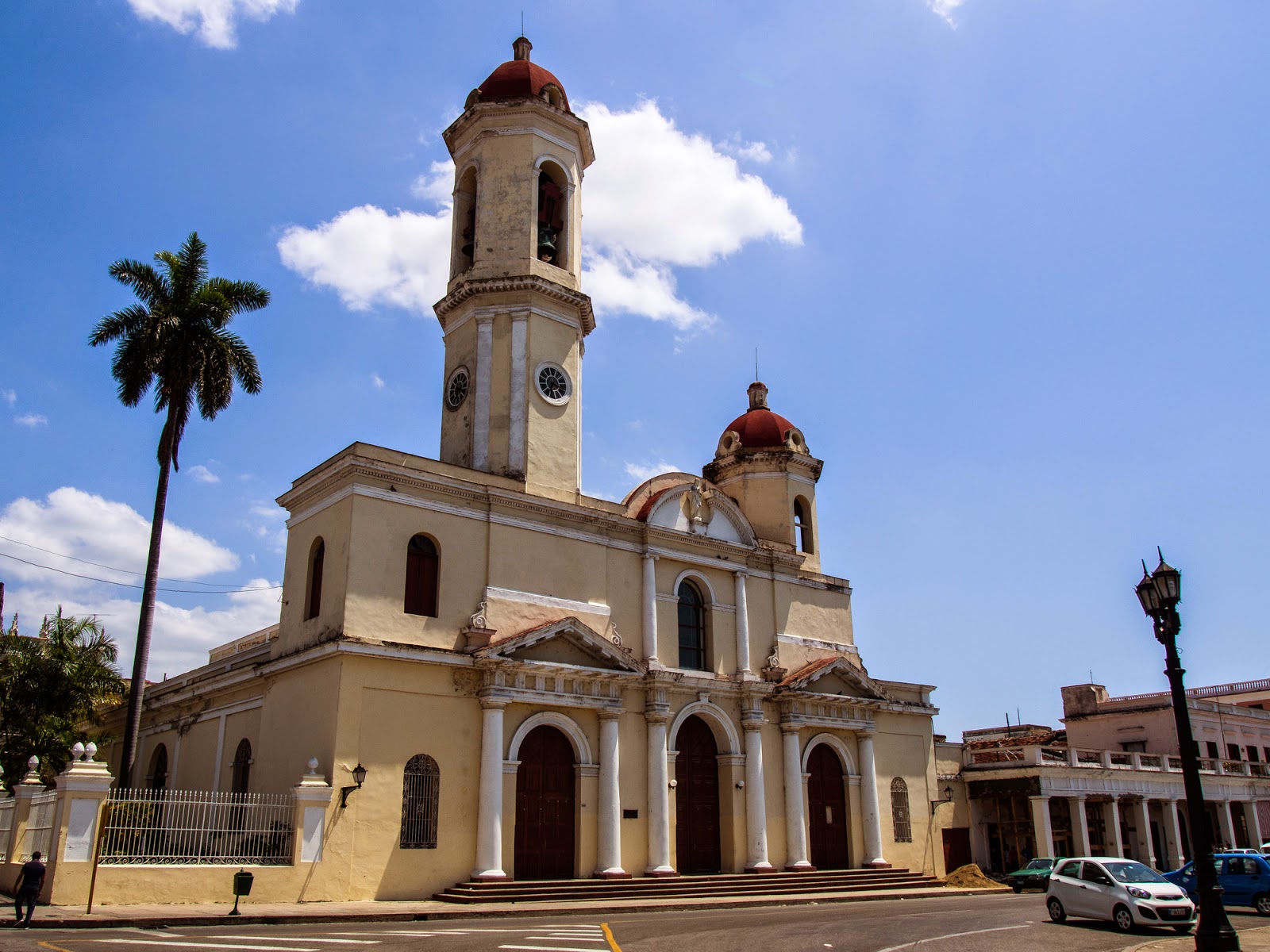
As much as I love being on the road, it can become so mentally and emotionally taxing that you can lose sight of why you were there in the first place. The thrilling highs of travel can be followed by plummets in turn, and by the end of my time in Trinidad, I felt pretty burned out. Dreading a long bus ride, I decided to chop up the commute back to Havana by spending a day in Cienfuegos – a city of note for being France's only colony on the island, resulting in architecture and urban design markedly different than elsewhere in Cuba.


I was tired of the way I was going through my dwindling dollars, tired of the sores I walked into the soles of my feet, and tired of saying no, no, no. No to people trying to get me to stay in their casas, no to optimistic tour guides, and no to persistent panhandlers (apparently a newer thing in Cuba). The noes hung on me heavily.

Time is your greatest commodity when traveling, and as briefly bitter as I was, I still didn't intend on wasting any of my precious time and made myself hit the town.


Cienfuegos is really a lovely city – and surprisingly devoid of tourists considering what it offers and its geographic position between Trinidad and Havana.


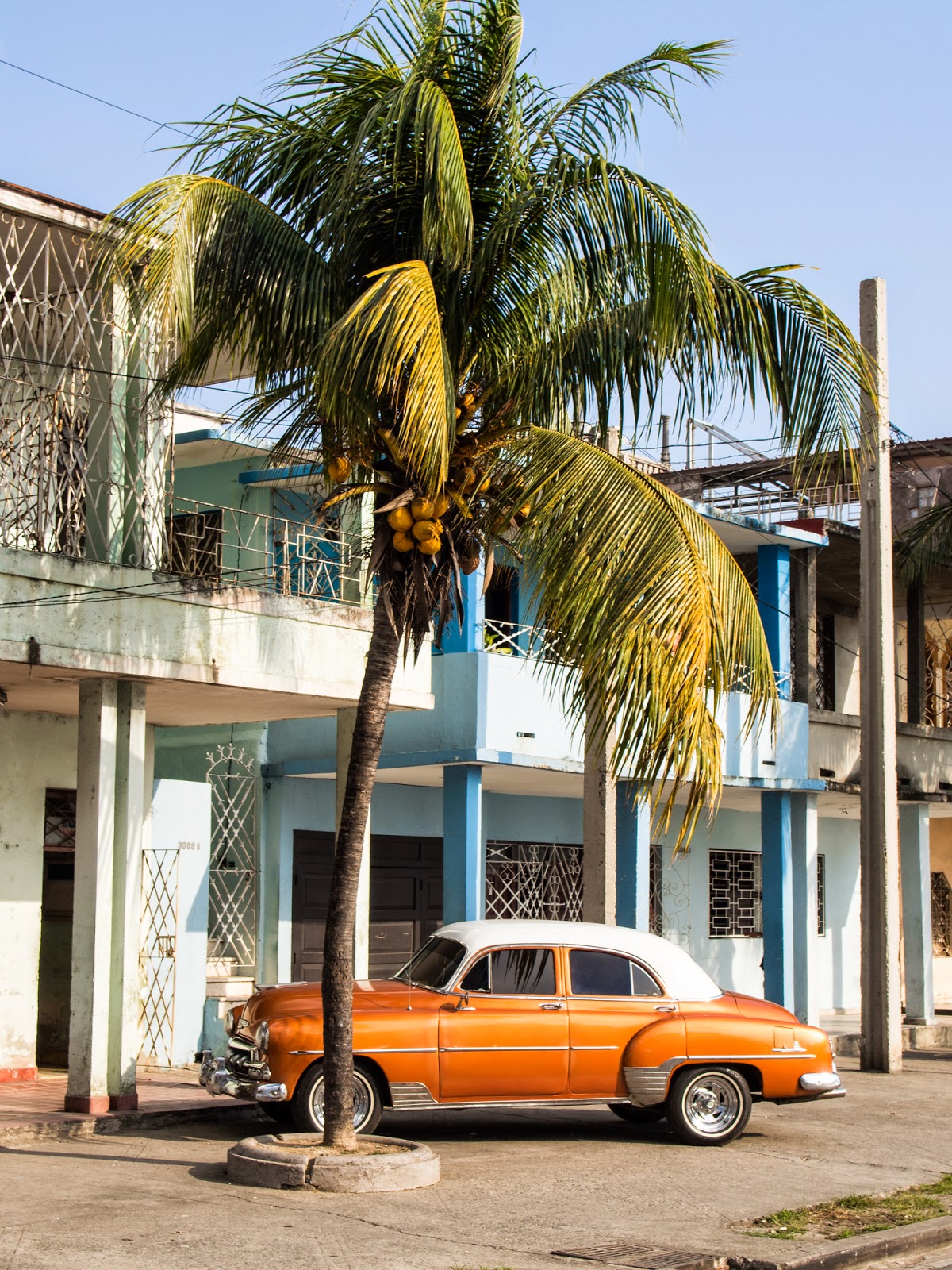
The neighborhoods emanating around the main square best showcase the elements that make the city distinct: gentle pastels, elegant wrought iron, and repetitive colonnades.


Being on the water, a long malecon teems with traffic and leisurely locals – at the first end of it I found a boxing camp for young boys. It stretches southward from the city center to an unlikely seeming cluster of pre-revolution mansions and luxury hotels, decadent relics from a much different world. There were yacht clubs and tennis courts full of affluent Cubans, driving me wild with curiosity about how such class divides can exist in a communist society (I recall Brian and I seeing a yellow Audi convertible blazing through Havana without tourist plates).


I was getting shaggy so I ducked into a warehouse sized barbershop with a doodle of what I'd like my haircut to look like. I had dinner in a place that served sugar alongside its juice – in case the juice wasn't sweet enough. I went to bed early enough tot catch a shared ride in a colectivo in the morning.

Sunday, April 27, 2014

Trinidad de Cuba

Uncertain we were in the right place, we waited underneath a highway overpass where a Trinidad bound bus would hopefully be making a stop. We weren't alone there. There are more people in need of rides in Cuba than there are seats to accommodate them, thanks to an overburdened transit system and a scarcity of working vehicles. This leaves Cubans relying a great deal on hitchhiking for their commutes. Any driver with a seat is supposed to be obligated to lend a spot to a hitcher, but those hopeful to score a ride will often wave cash around for better assurance. In some areas denser with hitchhikers, government officials in yellow uniforms referred to as Amarillos organize the hitching process, giving higher priority to women, children, doctors, and nurses.

Photo by Brian Linzmeier


Brian and I enjoyed the idea of hitching as an experience and way to save money, but didn't want to rob a needier local of a seat. Eventually our blue Chinese tourist bus stopped by for us and we were on our way to Trinidad de Cuba.

...until our bus broke down. But not before the entire coach was filled with fumes. After a sweaty while and the driver's fiddling about the engine, a mechanic dropped by and replaced the broken part and we were on our way again.


We stopped for lunch at a tourist oriented rest stop with a mini-zoo featuring a tree full of sleeping jutia, giant tree rats that are eaten in some parts of Cuba.

Trinidad, once we were finally there, proved to be a gorgeous town as dense with music as it is color. Spiraling away from the grand Casa de la Musica next to the town square is a great variety of excellent venues in which to enjoy live salsa music and cocktails. Every night, I believe, ended with cigars, mojitos, and bar hopping based on what our ears caught wafting out of various clubs as we strolled around. We carefully resolved that the specific combination of rum, tobacco, and salsa music was a formidable one, and that we could never tire of it. If a spot was particularly bumping, the sparse amount of space in front of the band would fill with whirling salsa dancers. We made friends with a shrunkenly old black salsa genius with a permanent smile that would grab a the hand of a different young lady each song, and regardless of her skill level, make her look marvelous on the floor. He'd even take ladies right out of the arms of their partners, and he was so charming there was clearly no point in resisting him.


During the day, every ninth corner and doorstep or so was ornamented with a dapper as heck old Cubano merely minding his cigar and looking awesome. I think I want to become a Cuban when I reach my senior years.

We found ourselves frequenting a brand new creperie that served the best piña coladas in town – right out of the pineapple. I rarely stick around in one place when I'm traveling to be recognized by locals, but our piña colada chica quickly recognized us as good tippers and would cheer “papi!” when she saw me coming. I threw in an extra buck on my last night and in turn she ran kisses up my arm. We met the proprietor and were shocked to discover he was an Italian immigrant. Cuba is definitely transitioning into a more open version of itself, even if only incrementally; with great regularity we found the information we would digest on line to be outdated, even when published recently.


I told the owner of the creperie that we wanted to become the kings of salsa dancing and he gave us the number of a friend that took us back to her place for private lessons. I realized our aspirations weren't going to be realized in a mere couple of hours and resolved to take lessons each day after Brian left and I would be then doing Cuba solo.


At the bottom of the great steps that led to the Casa de la Musica, we bumped into a couple of Dutch girls we gave a lift to in Las Terrazas, and then took them on an impromptu tour of Trinidad's night life – because we are such experts. The night ended in a cave on the hill behind the city that hosted a nightclub popular with the younger locals. We danced ourselves sweaty to Latin top 40 hits until the lights were turned on at three in the morning.


Trinidad, we read, has access to the finest beaches you can find outside of a resort in Cuba. The four of us rented bikes and spent a great afternoon of snorkeling and beach side mojitos. Brian had a nervous encounter with a sea snake.

We stayed with a Jorge that was pretty charming but very aggressive about pushing his tours. We let him talk us into scuba diving when we found out it would only be $25 a dive.

The dive instructor has no hair save for a mustache and a manicured tuft at the tip of his forehead, a concave chest, and would consider it criminally neglectful to drive by a young woman without giving her an attentive honk from the car horn. After a brief fitting and briefer tutorial on how one scubas, we were off and then under the turquoise blue water.


The deceptive curtain of reflective blue on the water's surface hides a different world entirely. Right away I felt like I was exploring a world more exotic and interesting than the surface of Mars. The white sand that flows from the coast becomes incrementally taken over by coral – first in pocketed islands but eventually becomes all encompassing. Multicolored fingers, fans, tentacles, tubes, lilies, and large bulbous brains define the landscape and are further populated by darting fish that are even more colorful still.


The complex textures and dazzling colors fill each part of your mask and create a powerful contrast when you feel inspired to turn your head up and look at the glassy pane that separates the worlds of water and air, and is so familiar from the other side. Looking up, the mask is filled only with blue save for the distorted rays and ripples of sunlight or maybe a jelly fish pulsing gently, riding the rhythms of the ocean, delicate and dangerous at the same time. Farther yet, the contours of the ocean floor grow more complex with great rocks and then deep crevasses, creating underwater canyons that eventually yield to sheer cliff faces overlooking a place where the water becomes somehow purple and then black. Every inch of the canyons is covered in coral and on our second dive we descended into one of these great cracks in the Earth.


It was thrilling to be entirely encompassed in this very organic and alien feeling world. The experience is simultaneous serene in the utmost way and, even still, full of danger. Every meter of depth amplifies the potential for harm and Brian and there were without experience, navigating narrow passes that tugged at our gear and housed deadly lion fish close enough to grasp. It felt like perhaps something we shouldn't be doing in a country where we don't even have an embassy, and yet it felt precisely like the kind of thing we should have been doing.

Brian had his flight to catch nearly a week before my own, but I had to return to this beautiful place. I was taken back to that cliff's edge and this time we descended into it. By the time we were 25 meters deep, fish could no longer be seen. It was just a wall of coral on one side, an iridescent wall of purple on the other, and us in between. In this colorful space devoid of sound and fish I lost all sense of proportion and felt rather more like a single cell organism floating around a microscope slide than a novice diver in foreign waters.


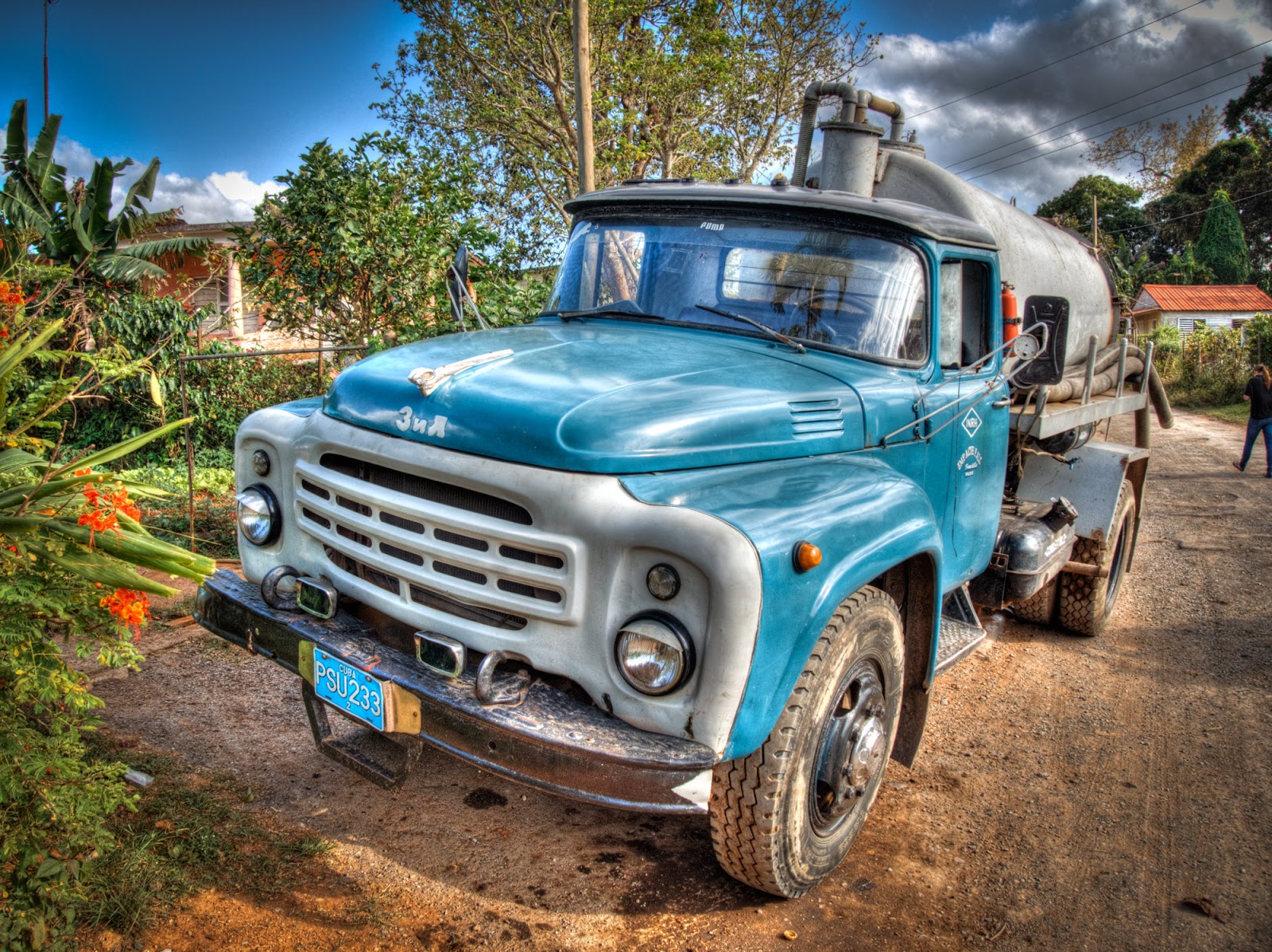
On the return, passing long trumpet fish and leering moray eels, the landscape gradually transformed back to the familiar forms that seem actually plausible, and there were crabs dancing on the rocks above the water break to celebrate our return. The instructor pressed me against the rocks with a degree of alarm and explained, “uno momento; there are cops on the beach,” and then I realized why those dives were so affordable. Back on the sand, I left my unlicensed dive instructor a tip, enjoyed a cocktail with a girl in the London music biz, and then headed back to Trinidad in a sky blue Chevy.

Sunday, April 20, 2014

Soroa y Las Terrazas


After nearly a week in Cuba and the better half of $100 spent in wildly overpriced dropped calls and internet that makes your AOL dial-up in the nineties seem like a sexy speed demon, I managed to secure my departure flight out of Cuba. It took all of a half hour to book due to loading times, and it was completed with a narrow couple of minutes left before the hotel computer was to log me off (here you buy internet scratch cards with the codes you need to log-on at $8 an hour). Comically, the airline's page crashed to an error screen after I put in my credit info, but I was delighted to find a confirmation message in my email's inbox.


With that out of the way, Brian and I were free to explore Soroa, another beautiful outdoor destination in western Cuba. Soroa is up in the hills, is densely green thanks to high annual amounts of rainfall, and is frequented by fewer tourists than some of the bigger destinations nearby.
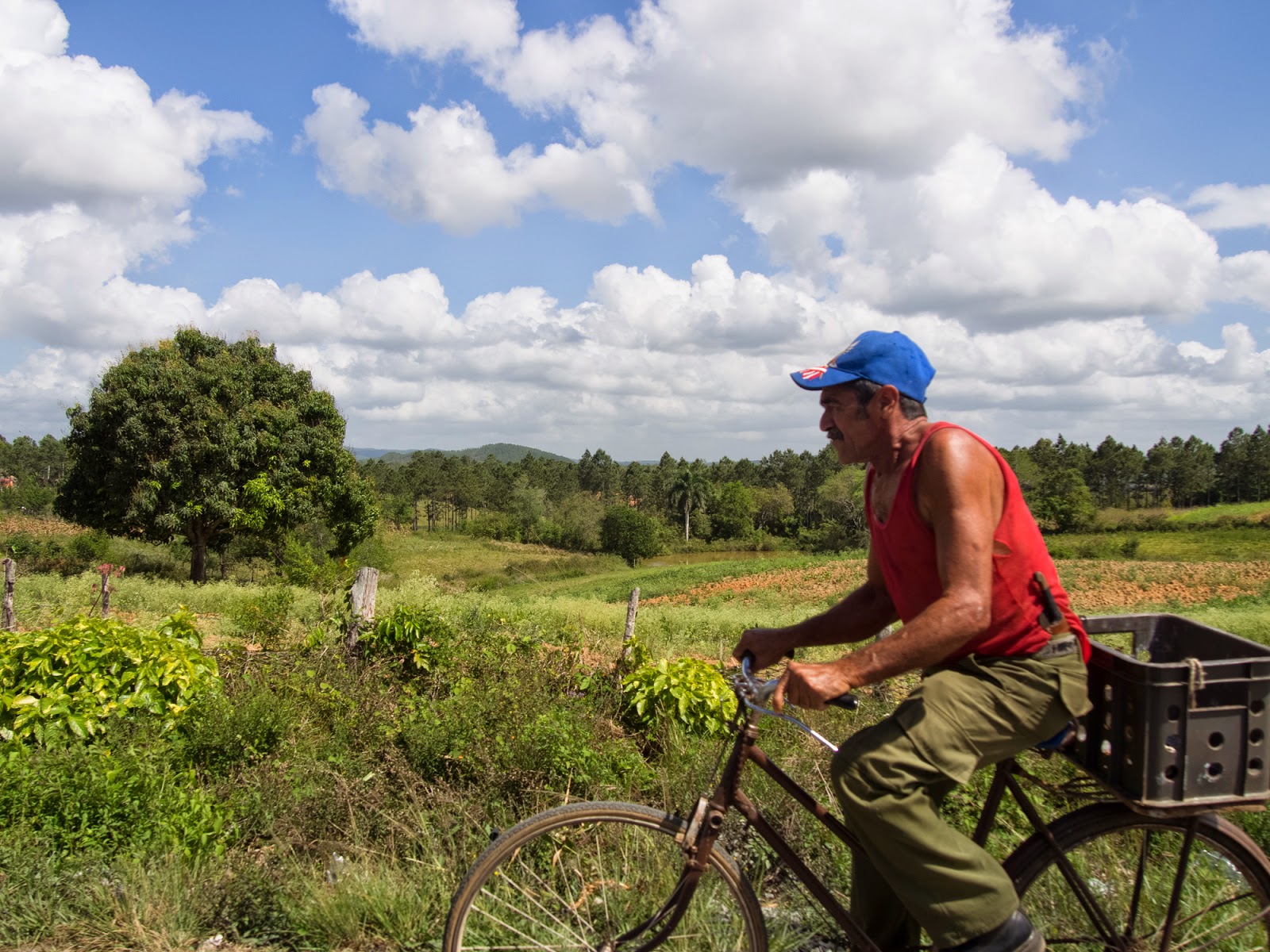

We started for a mirador (viewpoint) atop the sharp hooked peak of the nearest mountain. At the top we were greeted by a few dozen turkey vultures circling the peak sometimes close enough to see their individual feathers flutter. It was exhilarating to stand on the edge and let the jungle below fill your vision, and then see the breeze you just felt tug at your shirt alter a vulture's flight path. To share that same wind so intimately felt magical.


A river that cut around the base of the mountain led to a lovely thirty five meter waterfall where we drank rum from coconuts and stripped down to our underwear to swim in the water. I'm not sure anything makes me feel quite as happy or so at peace so quickly as a waterfall can, and I loved feeling its water beat down on me and blur my vision. We swam with enormous tadpoles, bigger than my big toe. I didn't think they could ever be so big, but we were endlessly delighted at how many surprises nature still has for us.


The family we stayed with was a very warm and cooked what were definitely the best meals we had in Cuba. They filled the dinner table with rice, beans, fried bananas, squash with onions, yucca and boniato (Cuban sweet potato), fresh salad, a tasty vegetable saute, and one night this weird fruit shaped like a giant scaly avocado but with flesh that while moist and fibrous like a pineapple, dissolves in the mouth with a slightly sandy quality like a pear, has giant black seeds, and a pleasant sweetness (I would later find out it is called a chirimoya).


Nearby Las Terrazas was our original destination, but as an eco-tourist village with only more expensive hotels for accommodations, we were advised to save money by staying in a nearby casa in Soroa. We took a car to Las Terrazas and were dismayed to find out it was prohibited within the park to hike any of the trails – none longer than just a few miles – without an expensive tour guide. We were a little burned out on the way we had already been dropping dollars, the requisite hand holding in Cuban parks, and had in the days prior logged a great many miles on the trails, so we discussed it and realized would be cheaper to hire the driver for the whole afternoon than to take one of the offered treks, so we did just that.


We started the afternoon by scrambling over the ruins of an old coffee plantation that had once been tended to by hundreds of slaves. A stray dog, perhaps the most charming I've ever met, kept us company and had us winded as we played games of catch and tag up and down the terraced rubble beneath a great stone tahona that had once crushed coffee beans. A restaurant there had rather decent coffee.


The hottest part of the day was spent in a wide stream popular with locals. While Brian and I were chatting up a couple of Candian girls while sipping on a Buccanero and Crystal cerveza respectively, I found a tick dug deep into my right side. I likely would have spent the rest of my trip paranoid about infection if it weren't for the fact that one of the Canadians had already looked into it and knew there wasn't lyme disease in Cuba.


Fire from a lighter did nothing to deter the little bloodsucker, but our driver stepped in and dug it out with his nails (I looked it up since, and learned you should save the ticks that bite you just in case). I ambled over to a bartender by the river and in broken Spanish asked for 'un poco de ron' to prevent infection. He obligingly poured some into my hand which I rubbed into the sore, then he insisted I tilt my head back so I could take some more medicine orally for good measure. What a good doctor.


For lunch, our driver took us to a place that would serve us in the infinitely more affordable pesos nacional. Parked outside was a hatchback full of well over a dozen goats. The owner of the goats we found in the back over a sandwich and I told him my cousin was in the market for goats and wanted to buy three. After lunch he took us back to the car and showed us there were in fact 20 goats total in the hatchback and perhaps two hand fulls of chicks in the front we missed. I promised to send his brother in Miami a photo.


Back in Soroa we went to the world's second largest orchid garden and there saw the world's smallest bird: the bee hummingbird, which is endemic to Cuba. We strolled home to finish the evening with another excellent dinner and then cigars and rum on the porch, which I think will become my principle past time when I become an old man.


Thursday, April 17, 2014

Viñales


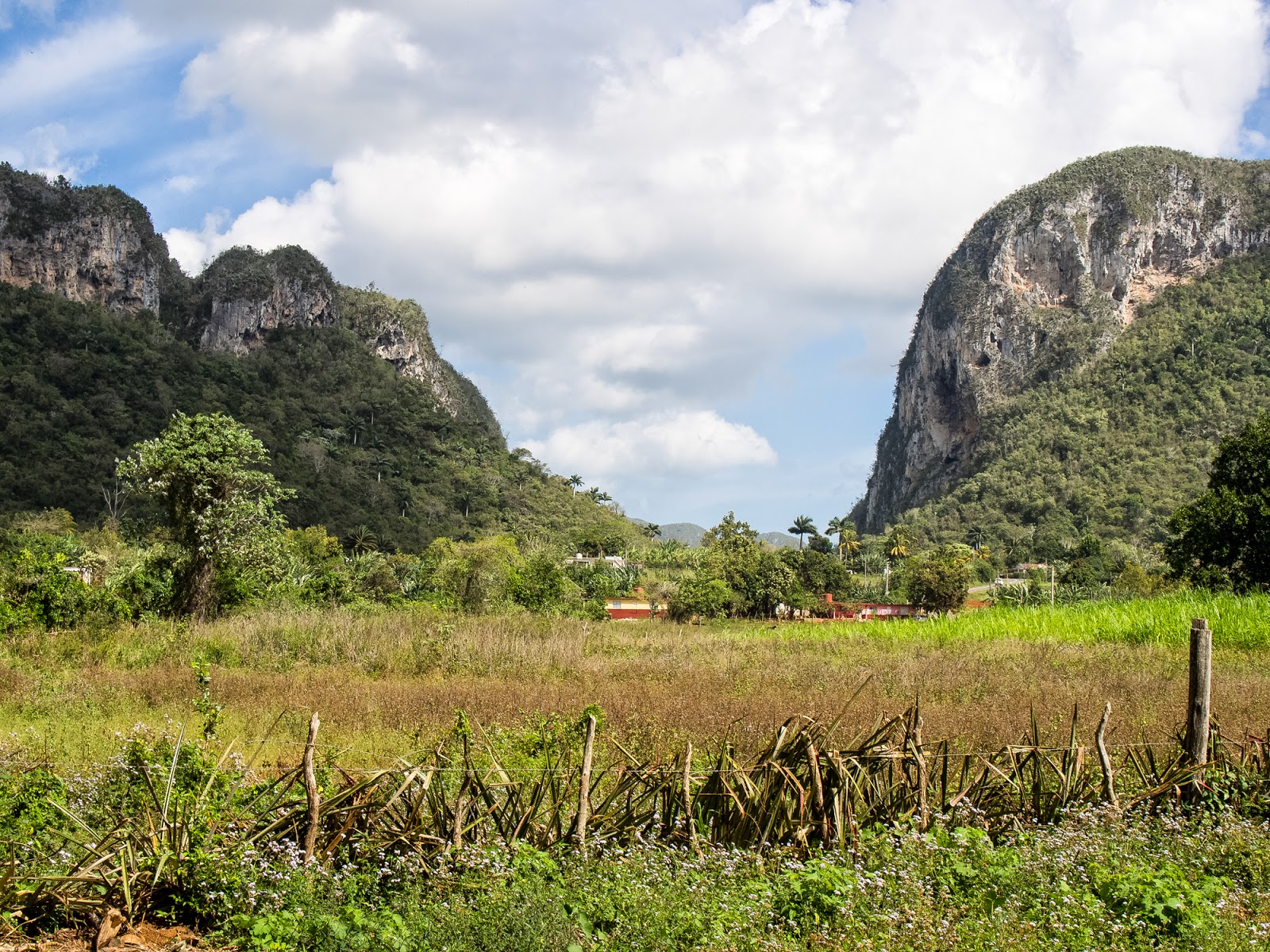
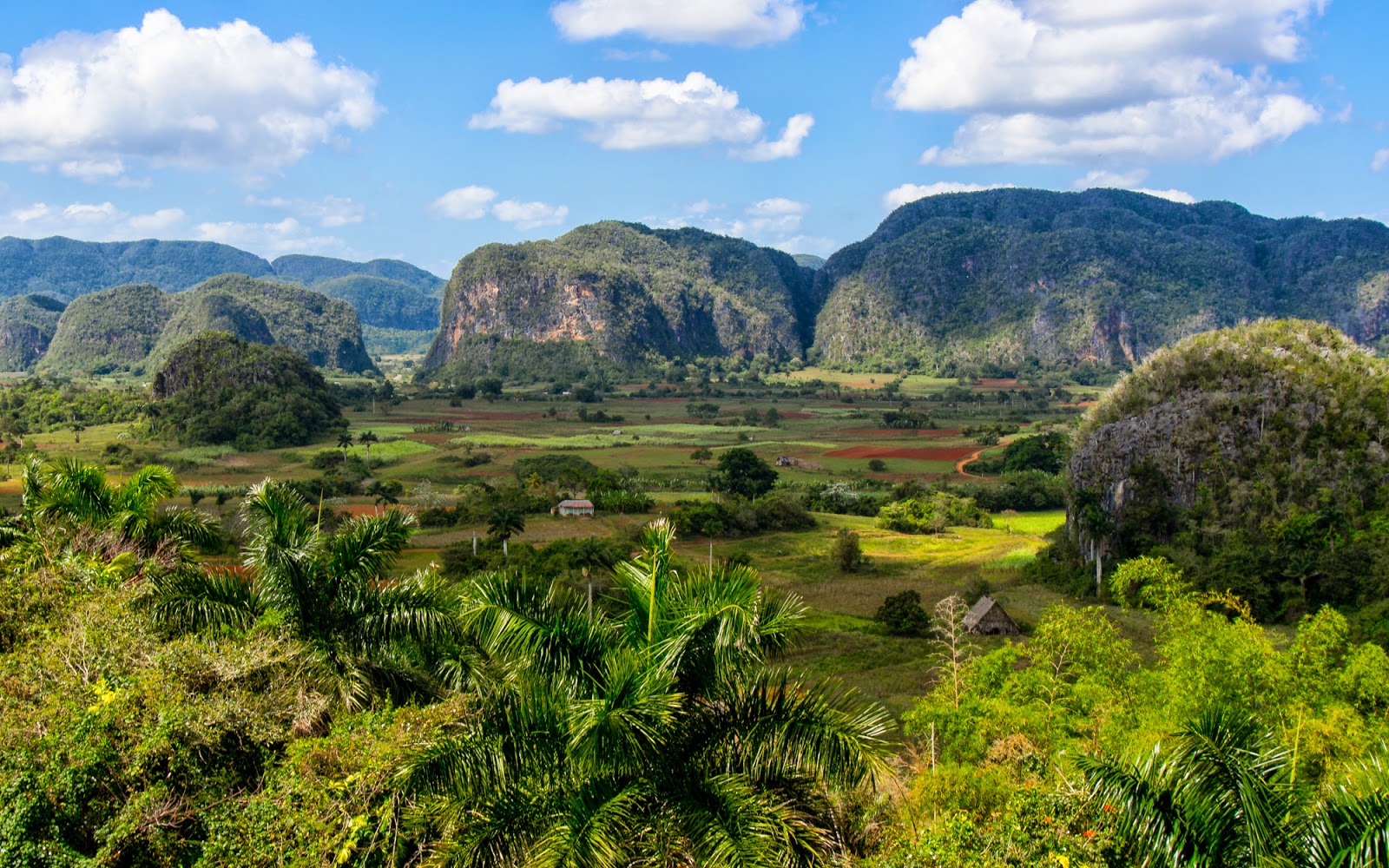
Our taxi driver asked if we minded if he made a quick stop to take care of something and we obliged him. Then he turned into a hotel parking lot on the edge of a cliff and everyone in the taxi, my cousin, two Polish girls, and myself, joined in a harmonized “woooooow!” as our vision was filled fully with a lush valley of tobacco fields backgrounded by green covered limestone cliffs: the very same postcard vantage that made me so determined to come to Viñales months ago.


Earlier in Havana, we were dismayed to find the bus we needed well past full, but we were sure there would be some other disappointed Viñales bound travelers besides ourselves and we resolved to stay planted and find new friends to split a taxi with. The plan worked and we beat the bus by a good couple of hours.
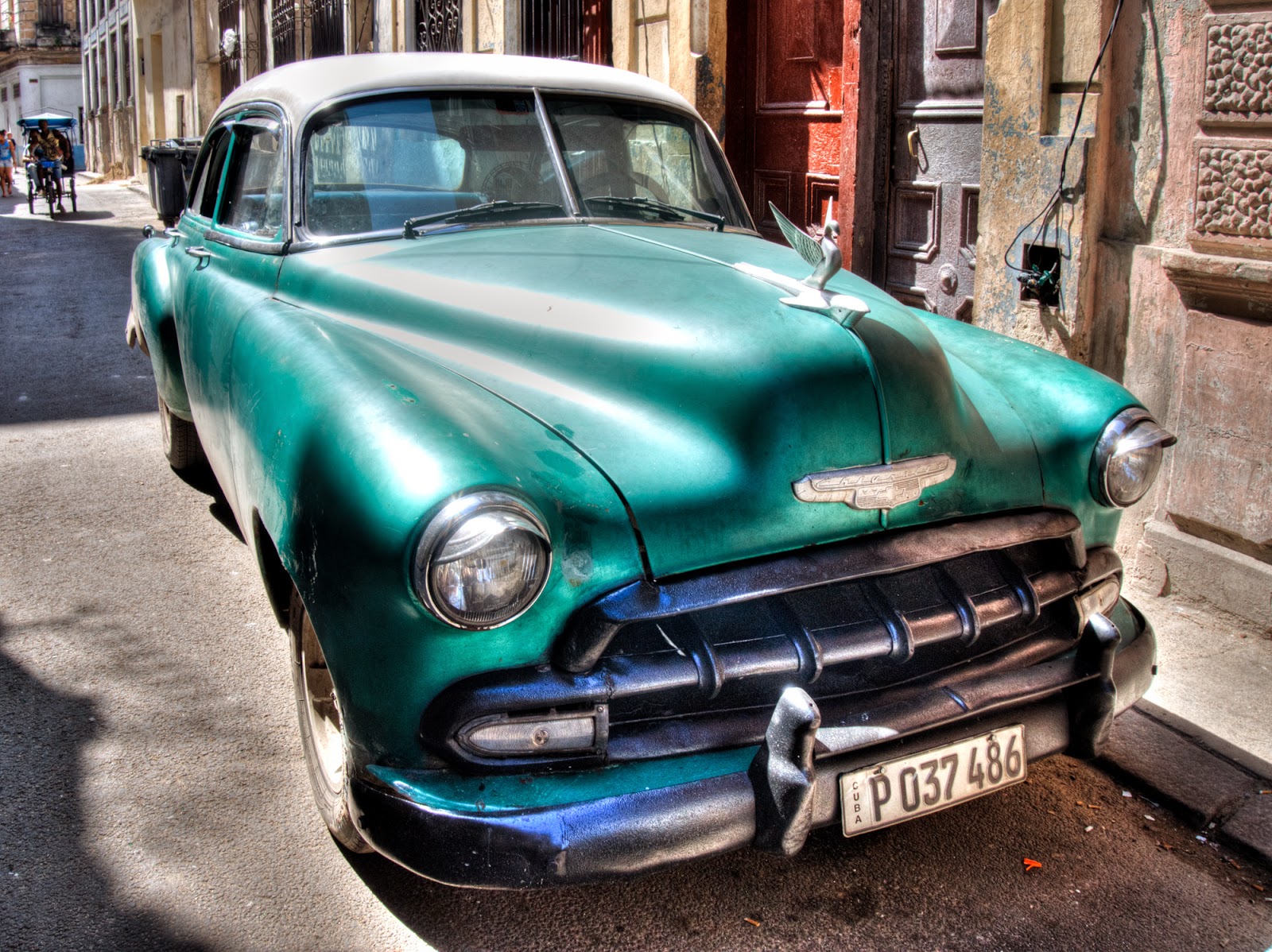
Viñales is a verdant rural town famous for its tobacco production and dramatic limestone cliff formations. Walking about the main village, teeming with dogs, chickens, pigs, boys with baseball gloves, and classic American cars, it felt like we were walking around a tropical alternate reality version of 1950s middle-of-nowhere America. The street cuisine does little to dispel that feeling. Pizza, spaghetti, and sandwiches seem to take a significant share of a Cuban’s diet and are available in restaurants at nearly U.S. Prices or in local stalls for around forty cents and paid for in a different currency entirely (It's 24 CUPs to 1 CUC, with the CUC's value being fixed to the USD – but don't bring USD to Cuba because you'll incur a 10% additional tax penalty in the conversion). So most meals consist of white starch, a heap of cheese, and a smear of vaguely tomato-esque paste. Cheap college food.


We stayed in our first Casa Particular, a rentable room in a Cuban's home; an interesting recent exercise in free enterprise and the most affordable way to sleep in Cuba. We based our pick of casa on how well its outdoor space accommodated dusk time cigar smoking and settled on a casa close to the farms with a table on its roof.


In the morning our hosts introduced us to Diosnel, who would take us around the valley. Our day started at a cigar factory where we were walked through the process of making cigars, though the tour's being done entirely en Español limited our comprehension. Sweaty shirtless men packed the leaves tightly in bundles using a giant metal press. The leaves are then fermented in a powerfully acrid aging room. In a warehouse room full of dozens of middle aged women, the leaves are stripped of their steams and then separated into wrapping and fillers.


We stopped next for coffee at Diosnel's home and he sold us maybe a dozen really crappy cigars for way too much – probably dollars to a few cents (a wildly typical scam here – in the cities you learn to drown out the sound of “Cigar!?” as you get around).
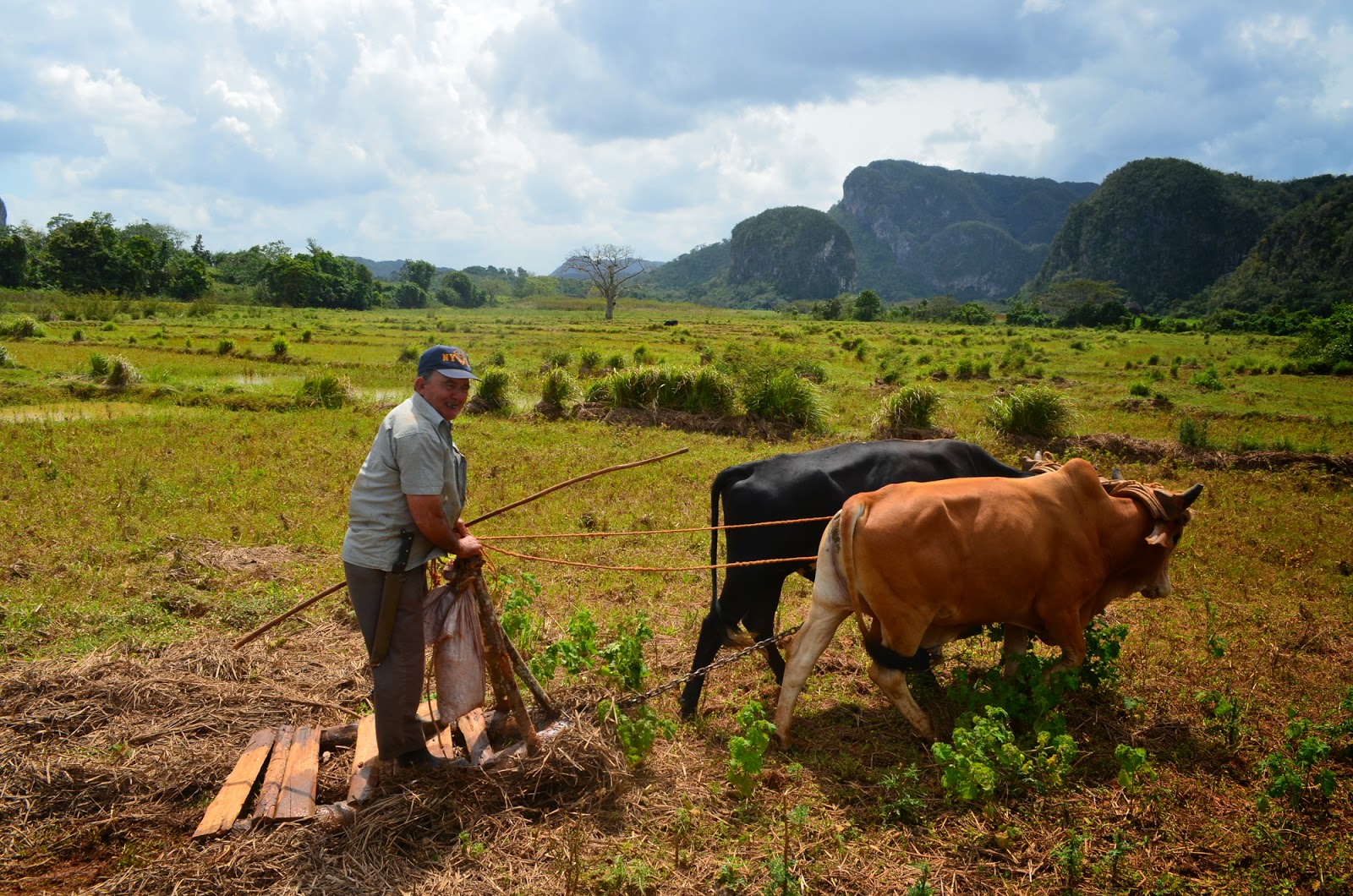
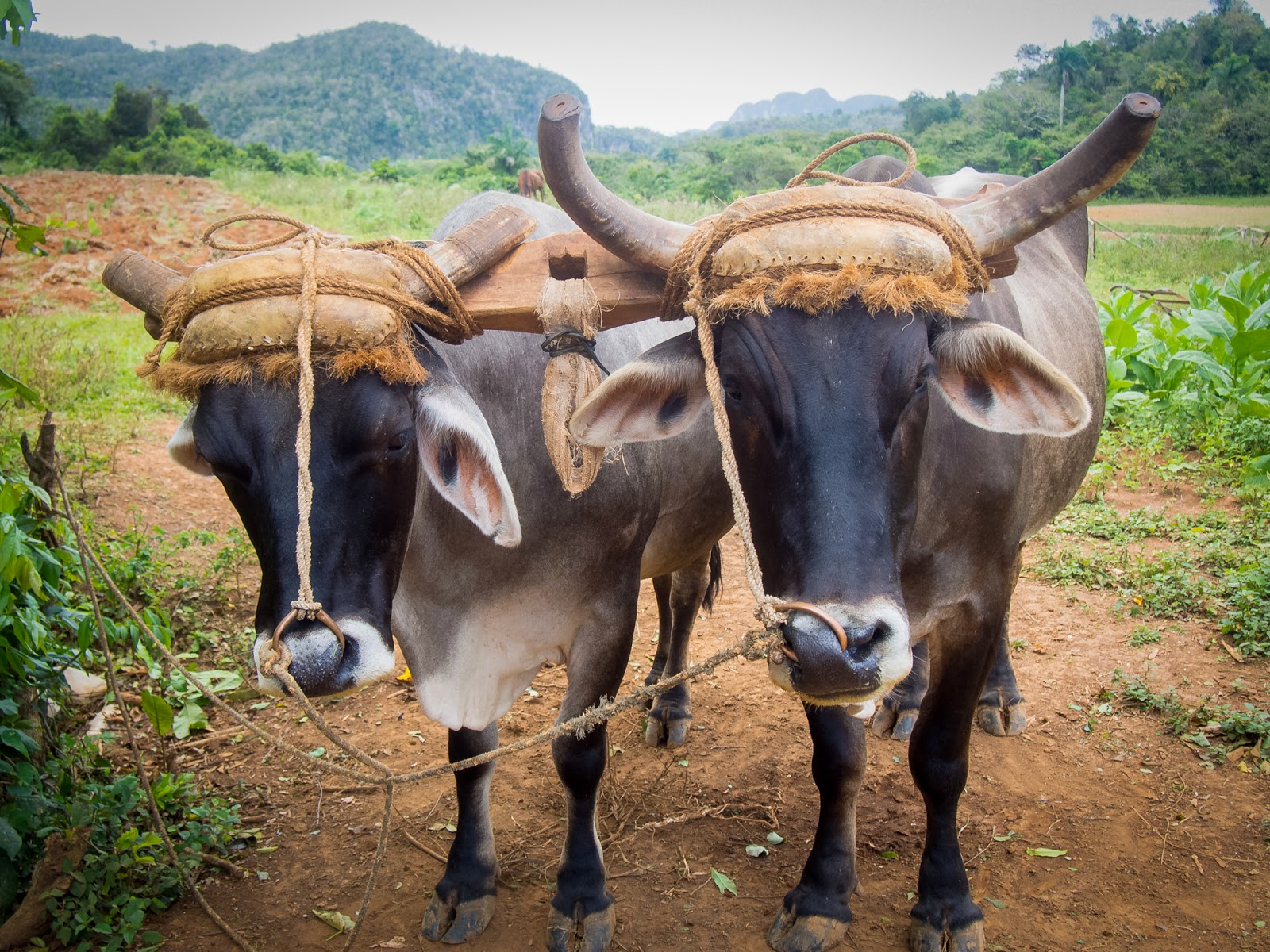
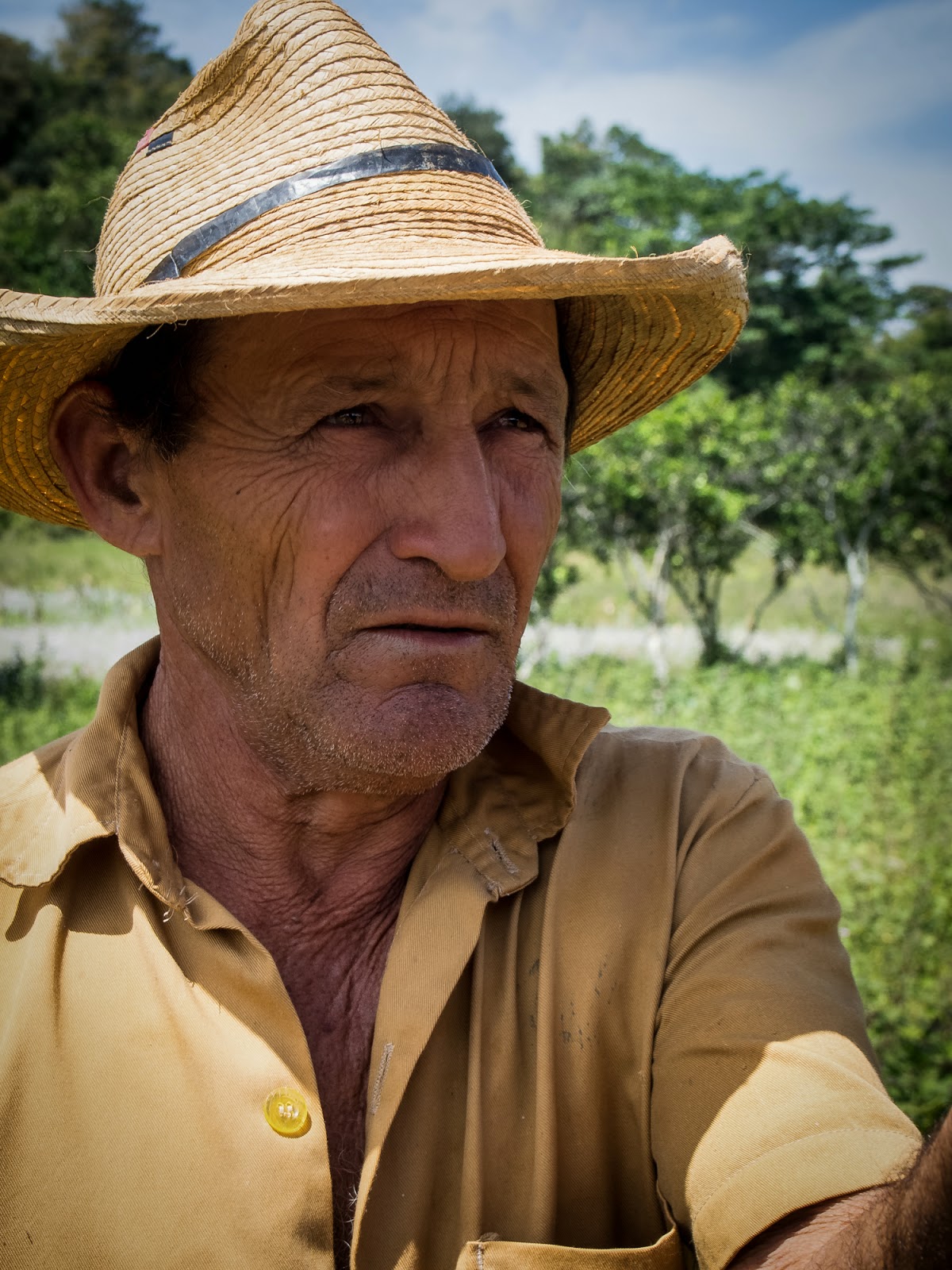
Diosnel drove us deeper into the valley until the roads made the car no longer practical, and we loaded into a horse cart led by the noble Reggaeton. We discovered the right way to motivate a horse was with a nasally, “cabaaaaaaaallo!” We plowed through muddy trails past thatched tobacco huts and cigar smoking farmers in ox carts and we learned more intimately the nuances of those dome capped cylindrical lumps of limestone covered in bushes, palms, vines, and moss.


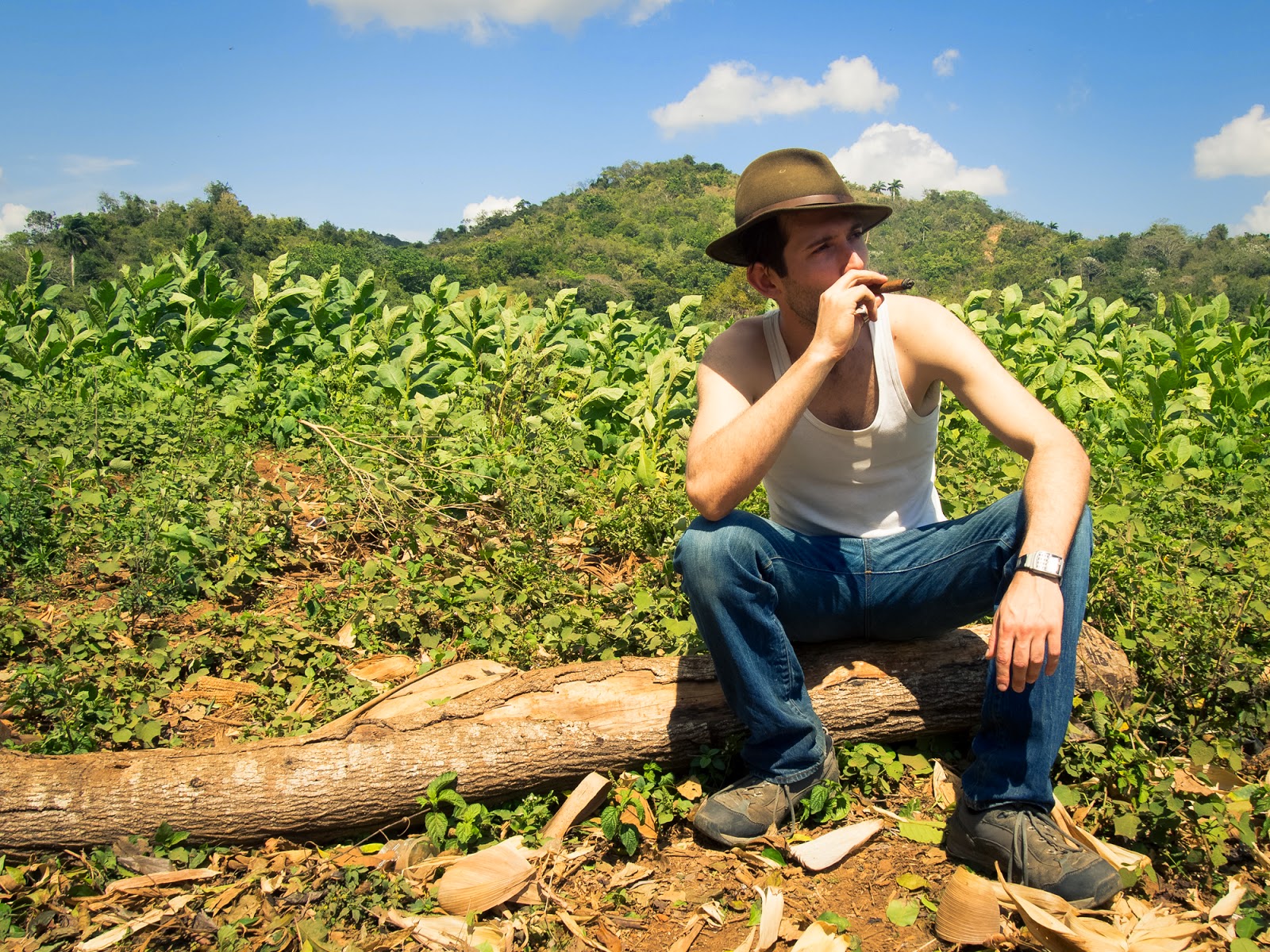
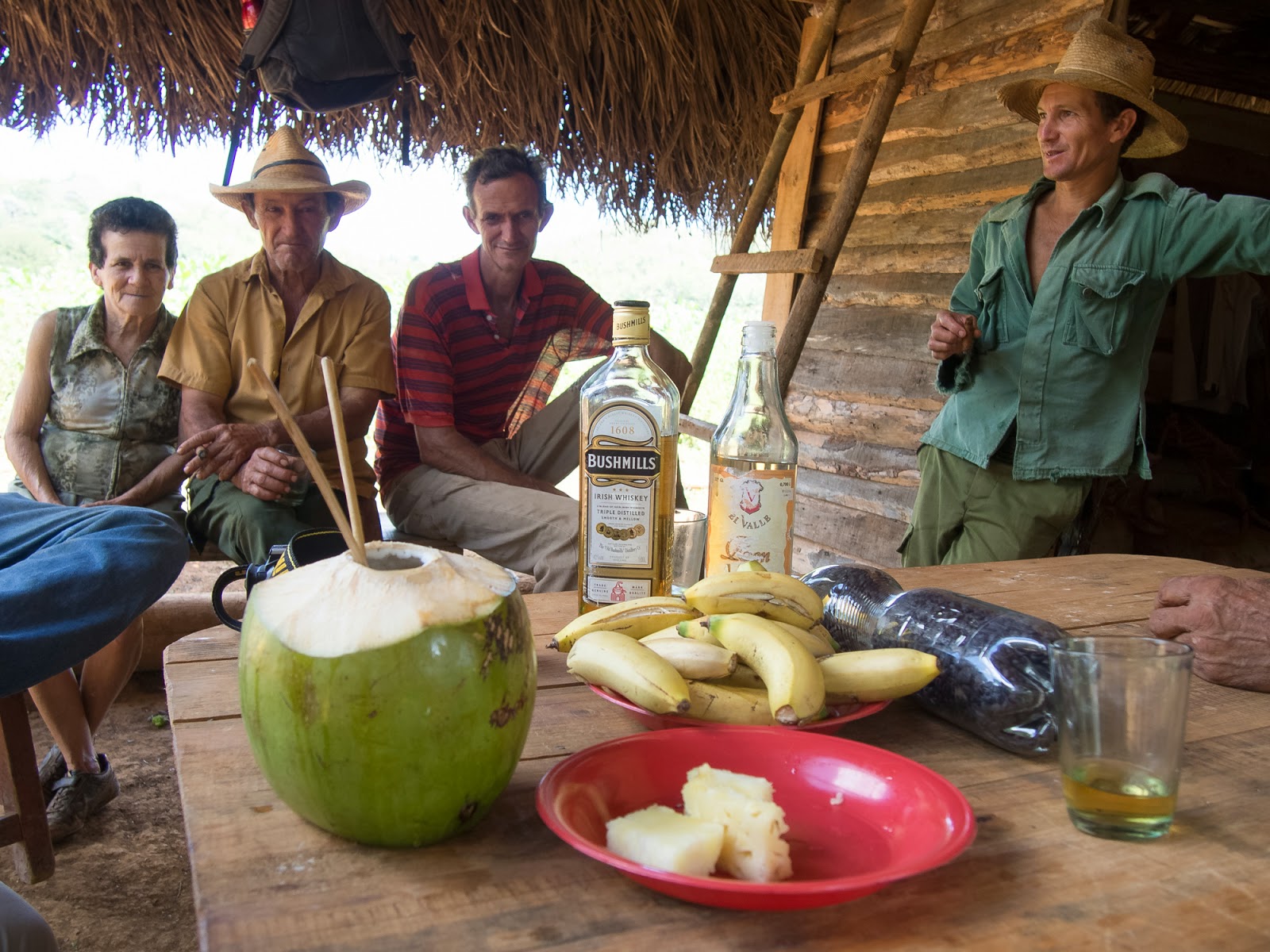
Eventually we landed at a tobacco farm where a handful of farmers greeted us with complementary cigars – their tips dipped in honey – and a cocktail they called Coco Dios: a coconut split open and filled with honey, orange, grapefruit, pineapple, and of course, rum. Brian had been lugging around a bottle of Bushmills he bought at the Mexico City airport in anticipation of St. Patrick's Day, and we decided it would be a good moment then for a cultural exchange. The farmers' eyes widened when they learned the bottle cost about what their monthly stipend from the government was. Before pouring the whiskey for each of us, a portion was spilled on the ground. For the saints they said. But not too much. (This ritual seems to be pretty closely adhered to elsewhere too – I'd seen several bartenders since pour a little on the ground even when no one was supposed to be watching)


One of the farmers took us for a hike through a series of fields, occasionally pulling out a sample from the soil for us to try. Yucca, boniato, and malanga are terrible raw, but I would later learn each are wonderfully delicious when prepared properly. We saw red young pineapples poking out of bushes – somehow I had always thought they were borne of trees.


We walked past pig pens, plantain trees, termite mounds, and up a hill crest with lovely views of the valley to the south and then the ocean when facing north. We liked the farmers and decided to buy enough cigars there – decent ones this time – to last us the rest of the trip.
The next day, despite being discouraged from doing so by several locals, we struck it out on our own on the trails. Very quickly our boots were saturated with clay red mud. Early on we saw a silly mural commissioned by Castro, depicting a scene of the history of evolution as a child with crayons might. Shortly after, we stumbled upon a crippled farmer's home where three day old piglets were stumbling about. The farmer's wife handed us a bottle of goat's milk and let us feed the newborns. I'm not sure I've ever freaked out so much from cuteness before, but I freaked out real hard.


Viñales is an incredibly beautiful place to get lost in, and we did get lost. In arguments concerning bearing, Brian tended to be correct more often than not. We chatted up a few farmers, enjoyed the valley from every angle, drank deep from coconuts, and peeked into a cave carved into a hillside by a brown river. We were plenty winded just prior to sunset and managed to flag down a car and hitch a ride back to the village we found a main road at last.


Friday, April 11, 2014

Havana

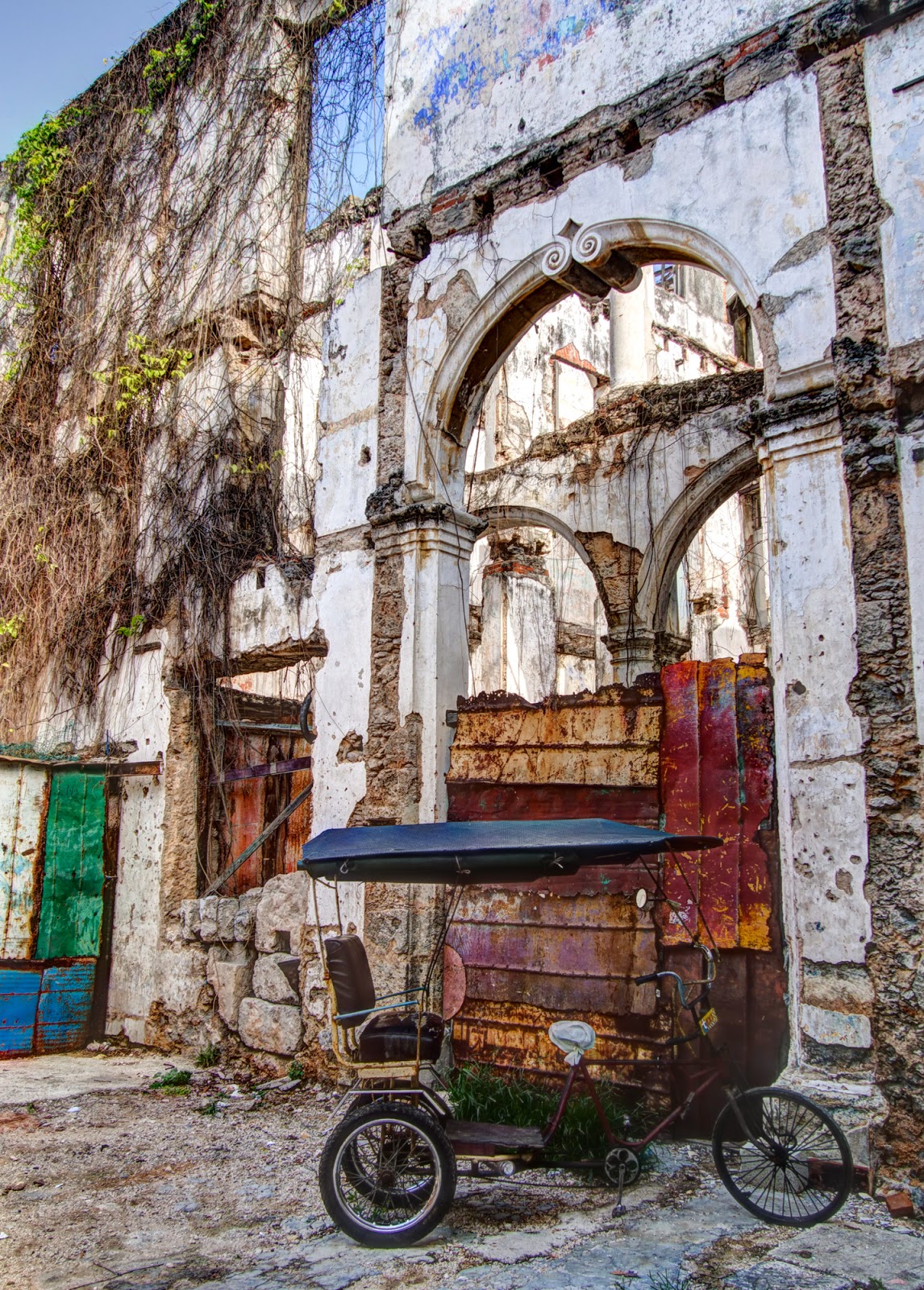
La Habana is like the grandest seashell in all the ocean, built centuries ago by the king of crustaceans as a colorful tribute to lavish living and boundless extravagance – but this same crustacean has long been gone, and another creature has since moved in and made its home there. The shell now has cracks plentiful in its colorful design and this new sea creature is too miserly, tired, and disinterested to be bothered with its maintenance.


Now, this metaphor is trying to speak to the system and history here, and not so much its people. I haven't a bad thing to say about the Cubans I've met so far (well okay, except perhaps for the numerous and very persistent jinteros, or hustlers, that are about just about anywhere tourists are). On a first glance, they seem athletic, wonderfully diverse, and share a strong sense of community on both local and national levels.


Our first stroll through Old Havana seemed a densely choreographed show. Cubanos with a destination would stop to talk with every familiar face peering through painted bars of open windows or leaning over balcony railings. For a minute it seemed like the sky was falling for all the things flung down from balconies to open hands: keys, cash, and whatever else. Flirting was done publicly, aggressively, and as often. Small packs of boys would line a section of street to play baseball with a wooden stick, pausing to let bicycle taxis, horse drawn carts, and classic American cars pass. Every door and window seemed to be open and dared you to peek at the world inside. More than once a peek would become an invitation, and we were waved into a backyard boxing ring for young boys and later a dingy little bar with forty cent glasses of rum where a beautiful dark skinned Cubana in a headwrap showed me pictures of her kids and complained about her hypocrite man.


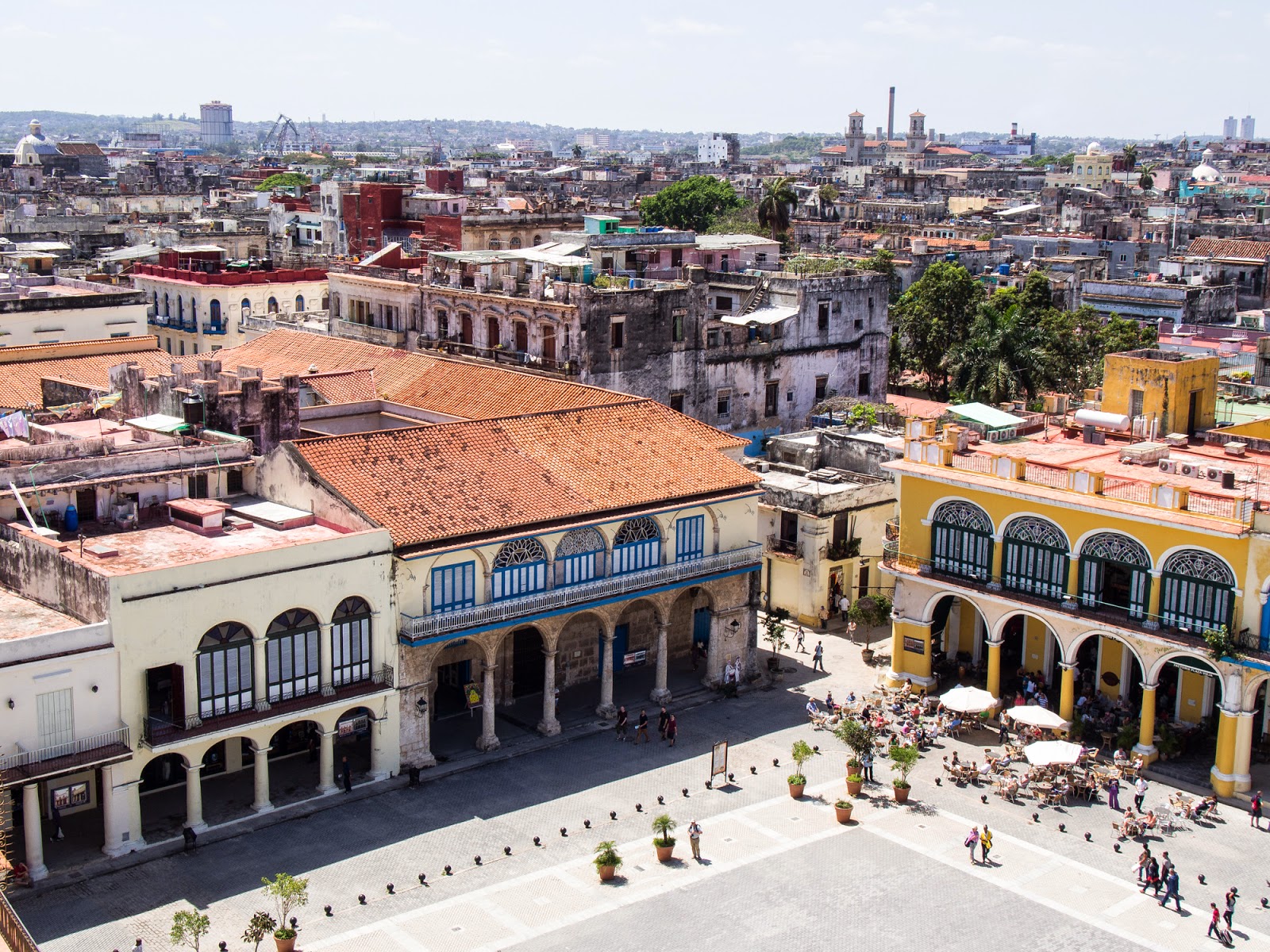
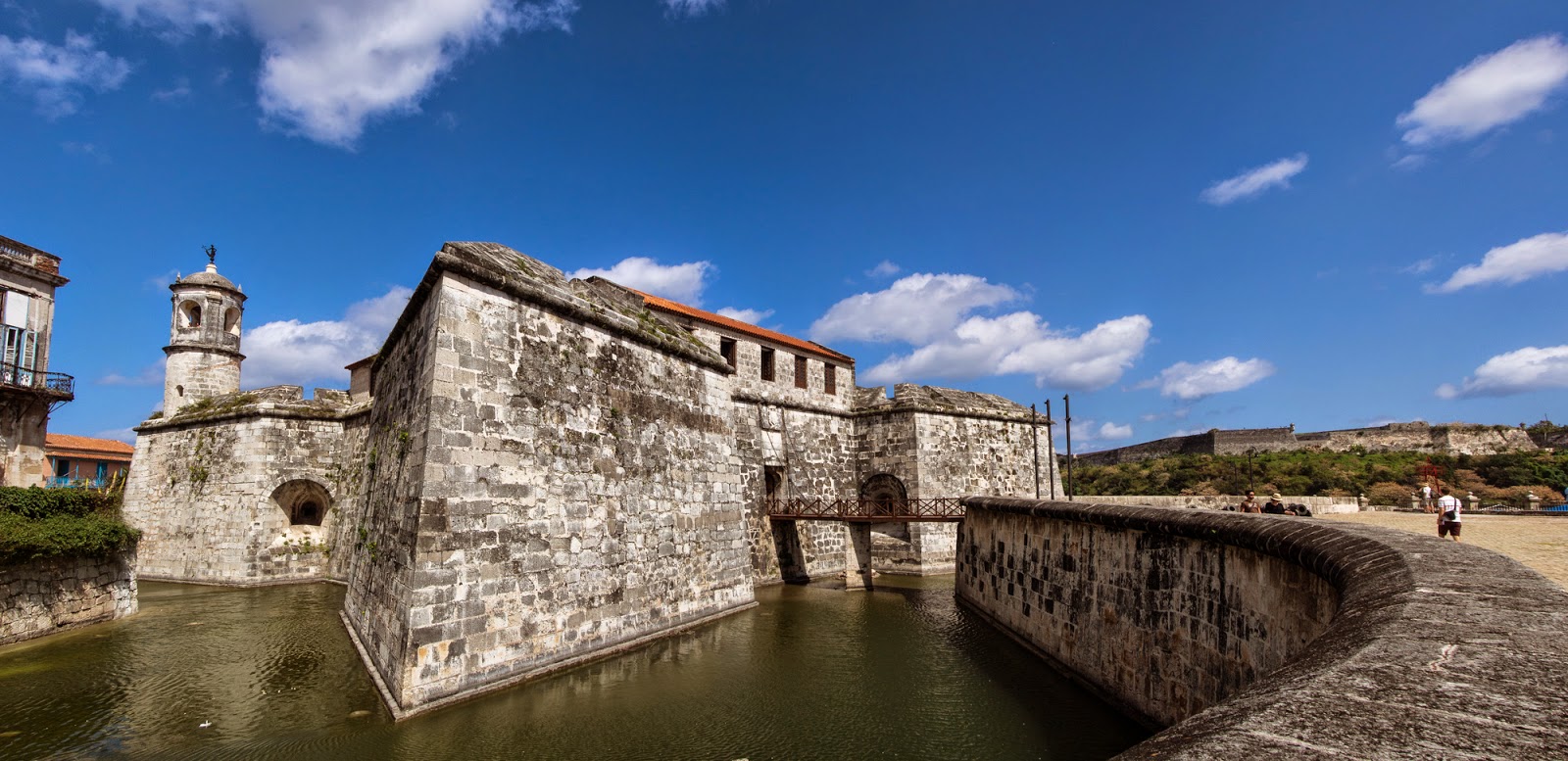
As you head to old Havana's downtown it almost seems as if there's a very specific line you cross, and all of a sudden the streets and buildings are in good repair and the cast on the street gets widely replaced with upper middle class white tourists. Despite a vaguely Disneyland-esque cultivation of the government planned tourist zones, there's no denying the beauty and authenticity of the downtown architecture. Strolling through bright cathedral laden colonial plazas and waterfronts mounted with fortresses and cannons, it isn’t hard imaging retired privateers in many buttoned coats with a cigar in one hand, an expensive prostitute in another, and bottomless chests with decades worth of plunder in the basements of their lavish mansions. A fedora toting casino running gangster wouldn't look out of place either, and neither would Hemingway himself – though, his old haunts are now obnoxious tourist traps and terribly overpriced. The worst and most expensive cocktail I had in my nearly three weeks in Cuba was in El Floridita, which claims to have invented the frozen daiquiri and sports a bronze statue of Ernesto sitting at the bar in the corner.


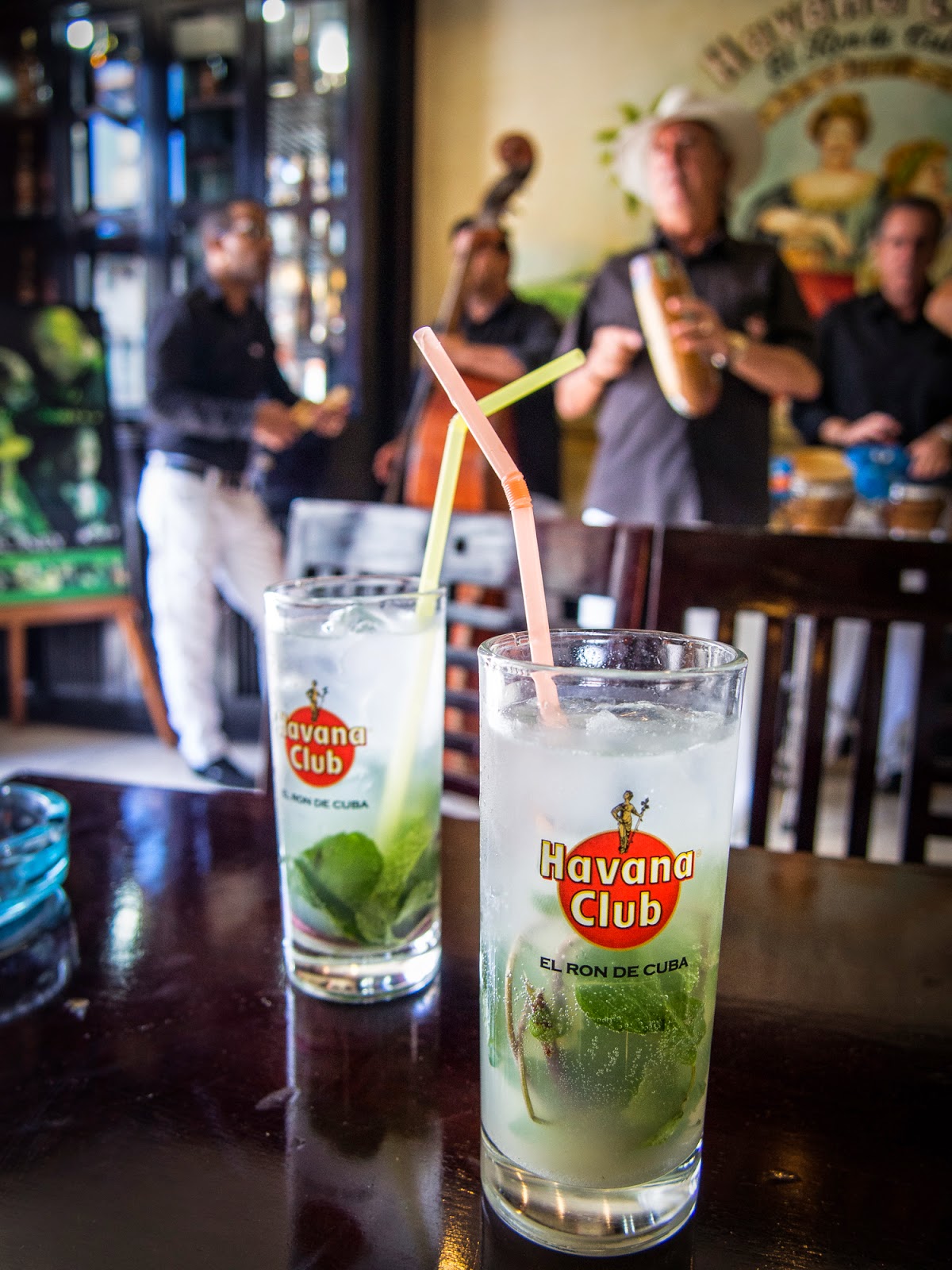
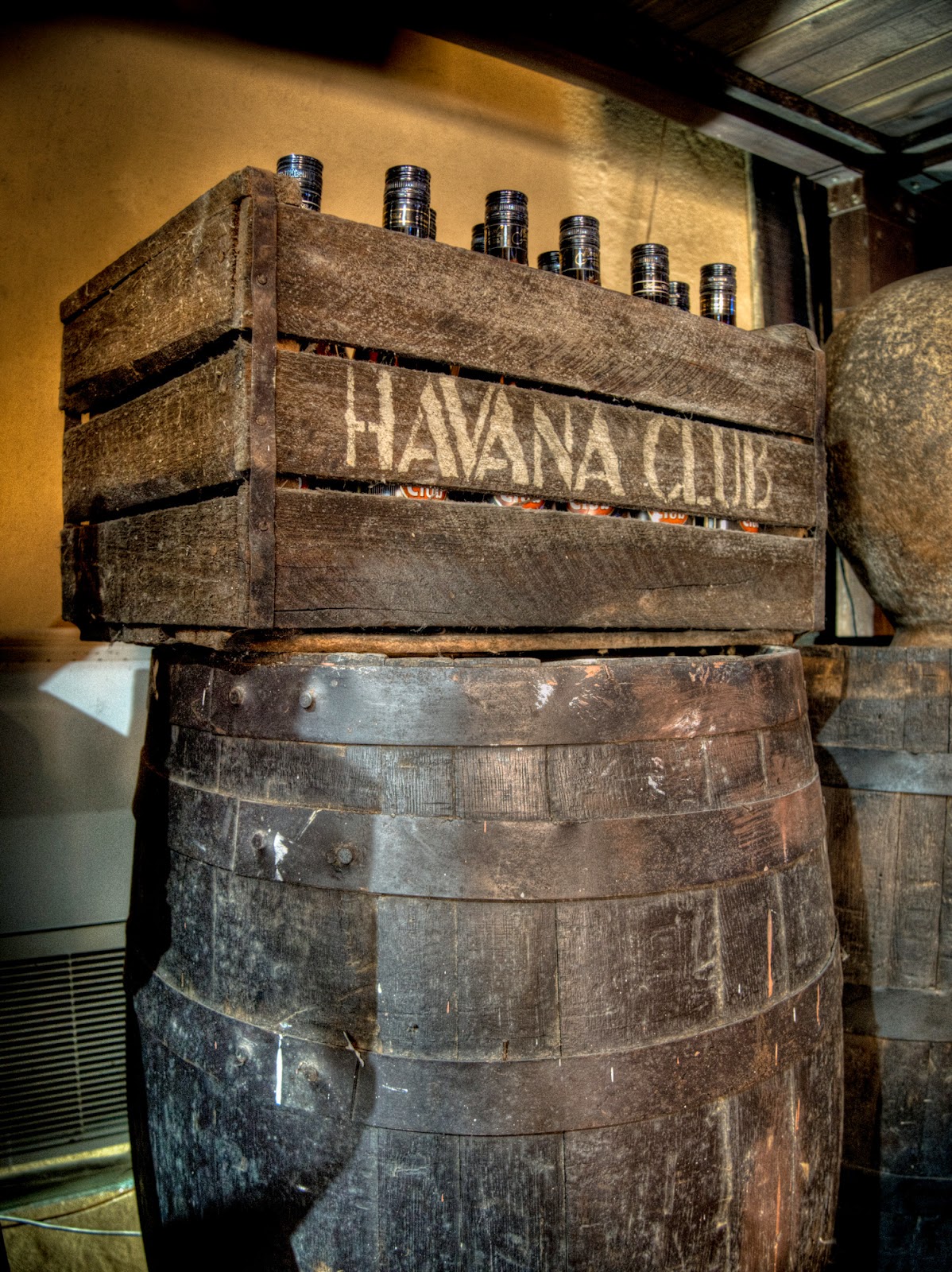
Music, much as I was hoping, was abundant in Havana, and certainly one of my principal motivations for sneaking away to Cuba. That and the rum. (Cigars too, I suppose. The country side, architecture, and history are strong selling points as well.) I had my first Havana Club daiquiri just weeks prior to my trip while still in New York – and I hate hearing the word sinful to describe Epicurean pleasure, but that's just how it tasted. Already a damn fine product, the rum was made all the more delicious by its being forbidden. If I'm going to be committing some light treason, I sure as hell might as well be enjoying myself.


For my cousin Brian's birthday, we decided to buy our first cigars and plant ourselves at a jazz club recommended by the bartender at our hostel (the first hostel in all of Cuba and a relatively new thing in the country). But first, we purchased a bottle of aged rum and took a stroll upon a malecon, a waterfront drive with dramatic views of the new downtown, Vedado, and occasionally interrupted with tremendous Caribbean waves that pound their way upward into the air after hitting the rocks below. We stopped briefly before the jazz club in a large clearing full of university aged Cubans. We talked at length with a young Engineering student set to graduate. He seemed terribly embittered about his lot, knowing that were he to be embracing his new career just about anywhere else in the world, he would be compensated well beyond his needs for comfort, but soon, as a Cuban engineer he'd be making the same roughly 20 to 25 USD per month as everyone else. He told us that happiness for him and his family is a great struggle (something I heard more often in Cuba than many of the much poorer nations I've been to, unfortunately). 


An older man came by and attempted to join the conversation. He seemed very insistent on getting everyone's names and circumstances with great specificity. Brian couldn't shake the suspicion that he might have been a plain clothes cop that might have stumbled upon some subversive dialogue with foreigners – something not taken lightly here – and we hope our friend's candid conversation didn't land him in trouble.


In the jazz club we lit our cigars, which were far from the priciest cigars I've ever bought, and I enjoyed the best tobacco I've pulled on to date. The smoke blew thick thick thick but felt silky in the mouth and there wasn't a trace of that ashen accumulation I've come to expect from even good cigars. After a couple of mojitos we were rocking out to the jazz and the saxophonist poured himself out through those windy brass tubes and stole the show.


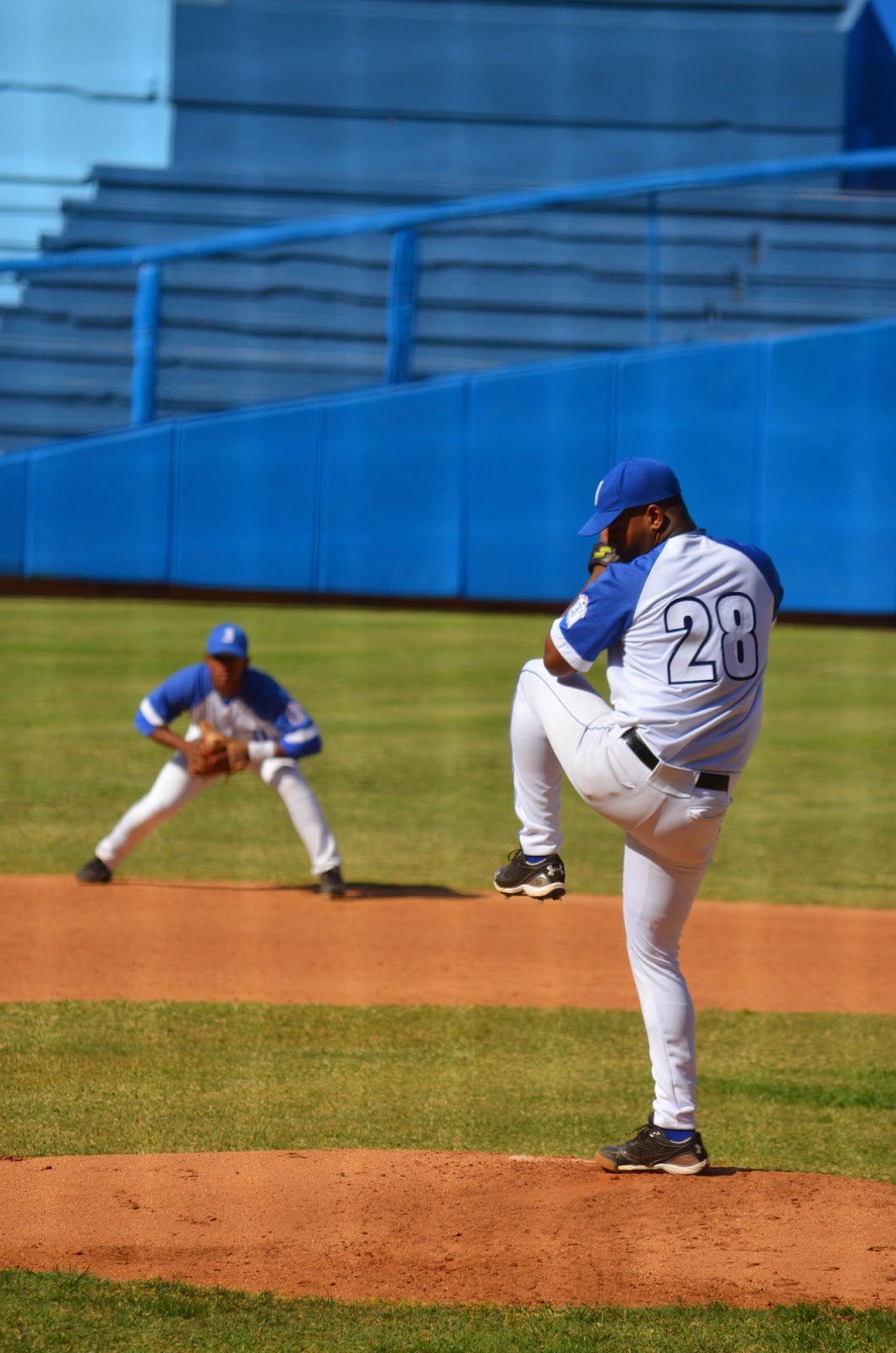
By the third day in Havana we couldn't help but laugh each time we caught a jintero telling us it was Havana Club's anniversary and that they wanted to take us to the party (a comically common scam where the jinteros get kickbacks from overpriced drinks). It was Saturday, and Brian wanted badly to see a baseball game, and while not originally enthused, I had a really great time at the stadium. We killed some beers before going inside, as they were no longer for sale in the stadium thanks to repeated instances of the crowd getting drunk and out of hand. I've never seen anyone enjoy baseball as much as the Cubans do. The sound and the energy would have been right for gladiatorial combat, with persistent yells, horns, and drumming. It was the nation's premier team, the Industriales, versus the team from Santiago at the far end of the island, and the Industriales mopped the floor with their opponents. We closed the evening out with drinks near the capital building (which resembles our own but is supposedly a few centimeters taller), with a number couchsurfers and then another bottle of anejo at the malecon.

Photo by Brian Linzmeier

Oh, I seem to have omitted my experience with customs when arriving in Cuba. What a tense and drawn out mess. While in line, we were first interviewed by a plain clothes officer in great detail. He asked us about nearly every stamp in both of our passports and then took my journal from my hands and skimmed through it, asking occasionally about its contents. Then we got our tourist cards stamped (no passport stamps for Yanks, thank you). Baggage claim took forever. The only luggage out for a long time was that which would be pointless to search. Strollers and the like. Then came innumerable bags wrapped tightly in plastic wrap. I suppose those in the know know that the wrap deters closer inspection and then saves you time. Well after that, every other checked bag. I assume that every bag was searched by hand, and I have since resolved to be more like Brian and join the carry-on only club.


Before we progressed any farther, we were asked to wait to the side by another customs officer who took our passports away for another uncomfortable ten or so minutes. Another agent came and led another interview while writing down each of our responses. I was actually starting to sweat a little because I had stupidly bought my forward flight flight for the wrong date, a date well beyond the permitted 30 day tourist visa limit. Despite the thorough questioning, I was never asked to show my exit flight ticket, nor did anyone inquire about the liquor we both checked in our baggage from Mexico. Our agent ended with, “sorry, it's my job” and then “welcome to Cuba.” Oddly, many of the agents were crazy beautiful, an observation a German friend we made also shared.

“You can take me to the back room if you want,” he said.